Metal Castings: Sand, Die, and Investment Casting Explained
Wiki Article
Everything You Required to Know Concerning Aluminum Castings: Realities, Benefits, and Solutions Offered
Light weight aluminum spreadings are essential to contemporary manufacturing, offering a combination of light-weight and toughness. They are made use of throughout different sectors, from automobile to aerospace. Comprehending the spreading benefits, processes, and applications is necessary for anyone involved in production. Additionally, the option of aluminum alloys and quality assurance actions play a significant role in efficiency. Discovering these facets reveals much concerning the future of aluminum casting solutions and their developing effect on market standards.Introduction of Aluminum Spreading Processes
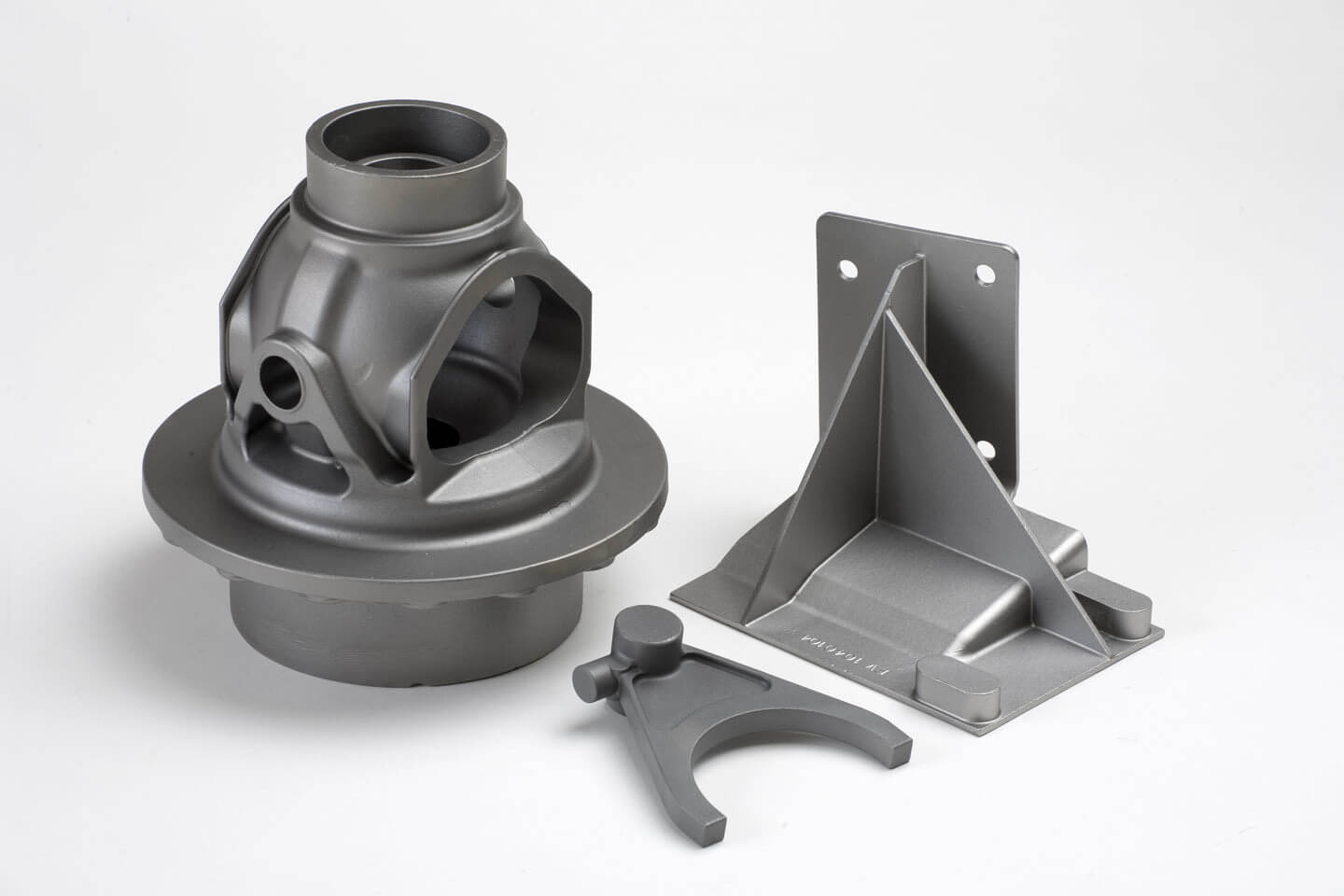
Light weight aluminum casting procedures represent a critical segment of manufacturing, making it possible for the manufacturing of intricate forms and parts with high dimensional precision. These processes include numerous methods, such as sand casting, die spreading, and financial investment spreading, each customized to details applications and needs. Sand spreading includes creating a mold and mildew from sand and is excellent for large components, while die spreading makes use of high-pressure injection of molten light weight aluminum into steel molds for exact, high-volume production. Financial investment casting, on the other hand, offers intricate designs by producing a wax pattern coated with a ceramic shell.Additionally, the choice of casting approach depends on aspects like the wanted surface area coating, quantity of manufacturing, and material properties. Each strategy provides unique difficulties and advantages, affecting the end product's quality and performance. Comprehending these processes is essential for suppliers intending to satisfy certain industry criteria and achieve operational effectiveness.
Trick Advantages of Light Weight Aluminum Castings
The advantages of light weight aluminum spreadings are significant, making them a preferred selection in different markets. One significant advantage is their lightweight nature, which contributes to decreased transport expenses and enhanced gas efficiency in applications such as vehicle and aerospace. In addition, aluminum has excellent deterioration resistance, prolonging the lifespan of parts and lowering maintenance requirements.
Aluminum castings likewise exhibit excellent thermal and electric conductivity, making them perfect for applications calling for reliable heat dissipation or electric transmission. The product's malleability permits intricate designs, allowing manufacturers to develop complicated shapes with accuracy.
Furthermore, aluminum spreadings can be quickly recycled, advertising sustainability and reducing environmental influence. The rapid manufacturing prices connected with light weight aluminum casting procedures improve total performance, allowing quicker time-to-market for products. With these advantages, aluminum castings continue to be a vital selection for producers going for high performance and integrity in their offerings.
Applications of Aluminum Castings in Various Industries
Aluminum spreadings play a vital function in different sectors, particularly in aerospace and auto applications. In the automotive field, these castings contribute to lightweight frameworks and enhanced gas effectiveness. On the other hand, the aerospace sector advantages from their strength-to-weight proportion, which is important for efficiency and safety and security.Automotive Industry Applications
As the vehicle market significantly seeks to enhance efficiency while decreasing weight, light weight aluminum castings have emerged as an essential option. These castings are commonly used in various parts, consisting of engine blocks, transmission real estates, and suspension parts, because of their superb strength-to-weight ratio. Light weight aluminum's lightweight nature adds to enhanced gas effectiveness and overall vehicle efficiency. Additionally, light weight aluminum castings can be elaborately created, permitting intricate shapes that optimize air movement and minimize drag. The material also supplies superior deterioration resistance, extending the life expectancy of automotive components. Manufacturers gain from light weight aluminum's recyclability, aligning with sustainability goals in the industry. Generally, light weight aluminum castings represent a vital development in the search of innovative automotive style and efficiency.Aerospace Sector Utilizes
While the aerospace sector demands high performance and dependability, aluminum spreadings give necessary advantages that fulfill these rigorous standards. Light-weight yet strong, aluminum castings greatly lower overall aircraft weight, enhancing gas effectiveness and efficiency. They are utilized in different components, consisting of engine housings, architectural parts, and landing gear, sustaining intricate layouts that call for accuracy and longevity. The deterioration resistance of light weight aluminum additionally adds to longer life span and decreased maintenance costs. Developments in casting innovation permit for elaborate geometries and improved mechanical properties, making aluminum spreadings a recommended choice. As Wisconsin Aluminum Foundry the aerospace market remains to develop, the role of light weight aluminum spreadings stays critical in attaining innovative remedies that deal with both safety and security and performance.Different Types of Aluminum Alloys Used in Casting
When checking out the domain name of light weight aluminum casting, it ends up being necessary to comprehend the numerous types of light weight aluminum alloys offered, each offering distinctive residential or commercial properties fit for different applications. Light weight aluminum alloys are largely classified into 2 groups: wrought and cast alloys - Metal Castings. Cast alloys are designated by a four-digit number system, with the initial figure suggesting the primary alloying componentFor instance, 1xx.x alloys are pure light weight aluminum, while 2xx.x alloys contain copper, enhancing stamina yet lowering deterioration resistance. Alloys such as 3xx.x, that include silicon, are favored for their fluidity and low contraction, making them ideal for detailed spreadings.
Another common group, 5xx.x alloys, integrate magnesium, giving outstanding corrosion resistance and weldability. Each alloy kind is picked based on certain performance needs, including stamina, resistance, and weight to environmental variables, guaranteeing premium cause numerous industrial applications.
Top Quality Control Procedures in Light Weight Aluminum Spreading
Efficient quality control actions are vital in light weight aluminum casting to ensure the production of top quality elements that meet market criteria and customer assumptions. These procedures usually involve a mix of rigorous evaluation procedures and standardized screening procedures.During the casting procedure, operators check critical parameters such as alloy, temperature, and stress make-up to guarantee harmony and precision. Visual assessments are conducted to identify surface area issues, while non-destructive testing strategies, like ultrasonic and X-ray inspections, evaluate interior integrity without damaging the components.
Furthermore, testing for mechanical residential or commercial properties, such as tensile stamina and hardness, guarantees that the final products possess the necessary longevity and efficiency attributes.
Documentation of these high quality control processes is crucial, as it gives traceability and responsibility, permitting manufacturers to attend to any concerns quickly. By applying complete quality assurance actions, aluminum casting firms can boost their product reliability and preserve client satisfaction.
Solutions for Custom Light Weight Aluminum Spreading Solutions
Personalized aluminum casting solutions use tailored style capabilities to satisfy details customer needs. Making use of innovative casting strategies, these services ensure precision and performance in the manufacturing process. This mix enables organizations to accomplish wanted outcomes while enhancing material usage and reducing waste.Tailored Layout Capabilities
Customized style capacities play a vital role in the advancement of personalized light weight aluminum spreading remedies, enabling producers to satisfy details customer requirements with accuracy. By utilizing advanced software and design know-how, firms can develop detailed styles that adhere to exact requirements. These capacities allow customization in measurements, weight, and structural integrity, ensuring that each casting lines up flawlessly with the intended application. In addition, suppliers can collaborate very closely with customers during the design phase, facilitating adjustments and improvements as required. This joint method not just improves product efficiency but also enhances manufacturing efficiency. Eventually, customized design capacities are a vital consider providing premium aluminum spreadings that meet one-of-a-kind commercial needs, thereby boosting customer fulfillment and fostering lasting partnerships.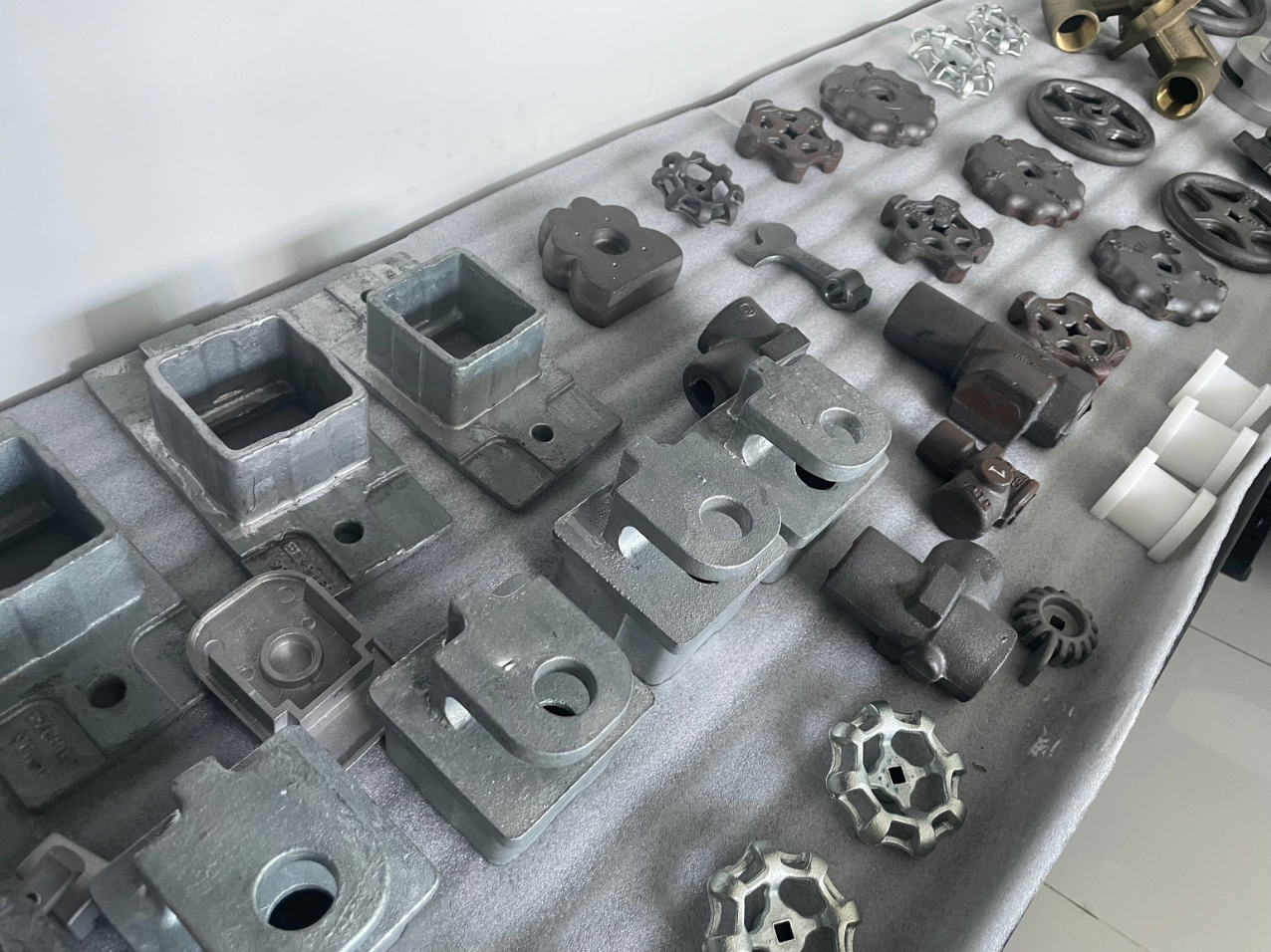
Advanced Spreading Techniques
As producers strive to boost performance and product top quality, advanced casting strategies have become a foundation in the domain of customized aluminum casting services. These strategies incorporate approaches such as die spreading, sand casting, and investment spreading, each offering unique benefits relying on the application. Pass away spreading, understood for its precision and repeatability, is suitable for high-volume production. Sand casting offers flexibility in layout, fitting complex forms and bigger elements. Financial investment casting succeeds in attaining intricate information and exceptional surface area coatings. By leveraging these advanced strategies, makers can produce lightweight, long lasting, and high-performance aluminum components tailored to details market demands. Continuous developments in casting innovation additionally enhance capabilities, allowing the production of more complicated geometries and improving overall material efficiency.Regularly Asked Inquiries
Exactly How Do Ecological Laws Affect Aluminum Spreading Processes?
Environmental laws substantially influence aluminum casting processes by imposing stricter emissions standards, promoting lasting practices, and encouraging the usage of green materials. These laws drive producers to introduce and take on cleaner innovations in their procedures.What Are the Common Issues Found in Light Weight Aluminum Castings?
Common problems in light weight aluminum spreadings include porosity, shrinking, misruns, cold shuts, and surface blemishes. Wisconsin Aluminum Foundry. These concerns arise from elements like incorrect temperature level control, poor mold and mildew layout, or contamination, influencing the total top quality and performance of cast products
Exactly how Is the Recycling Refine for Aluminum Castings Conducted?
The recycling process for light weight aluminum castings involves accumulating scrap, melting it in a heating system, getting rid of impurities, and after that casting the molten aluminum into brand-new forms. This method preserves energy and lowers waste in production.What Innovations Are Currently Shaping the Future of Light Weight Aluminum Spreading?
Advancements forming the future of light weight aluminum casting consist of innovative 3D printing methods, automated robot processes, boosted alloys for improved efficiency, and sustainable methods that concentrate on minimizing waste and power usage in manufacturing processes.Just how Does the Cost of Light Weight Aluminum Spreading Contrast to Other Products?
Aluminum casting typically uses a competitive expense contrasted to various other products, such as steel and plastics. Its lightweight nature and recyclability can result in long-lasting savings, making it an attractive alternative for numerous applications.These procedures include different techniques, such as sand spreading, pass away casting, and investment casting, each tailored to details applications and demands. Sand spreading entails developing a mold and mildew from sand and is ideal for large parts, while die casting utilizes high-pressure shot of molten light weight aluminum right into steel mold and mildews for exact, high-volume production. When checking out the domain name of light weight aluminum spreading, it becomes vital to comprehend the various kinds of aluminum alloys readily available, each offering distinct buildings matched for various applications. As suppliers seek to enhance efficiency and item quality, advanced casting techniques have actually arised as a cornerstone in the domain name of custom-made aluminum casting services. These strategies incorporate techniques such as die casting, sand casting, and financial investment casting, each offering distinctive advantages depending on the application.
Report this wiki page